
If you look at any suburb this Halloween, you’ll see countless monsters roaming the streets. Vampires, creatures and ghouls all “wreaking havoc” (going to parties and trick-or-treating).
The real monsters, though, don’t look like this.
If you look at any suburb this Halloween, you’ll see countless monsters roaming the streets. Vampires, creatures and ghouls all “wreaking havoc” (going to parties and trick-or-treating).
The real monsters, though, don’t look like this.
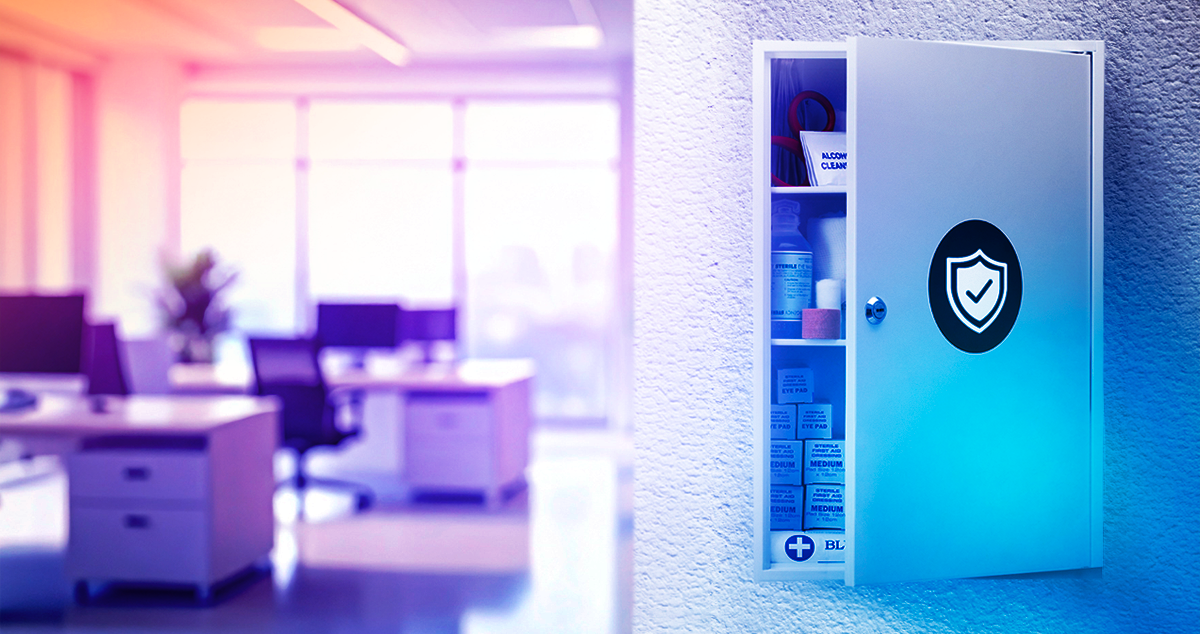
Every autumn, the medicine cabinet gets a little more crowded. There's cold medicine left over from last winter, vitamins bought in bulk, half-used bottles of cough syrup and a prescription that should have been thrown out months ago. There’s plenty of medicine there, but a full cabinet has never been a measure of anyone's health.
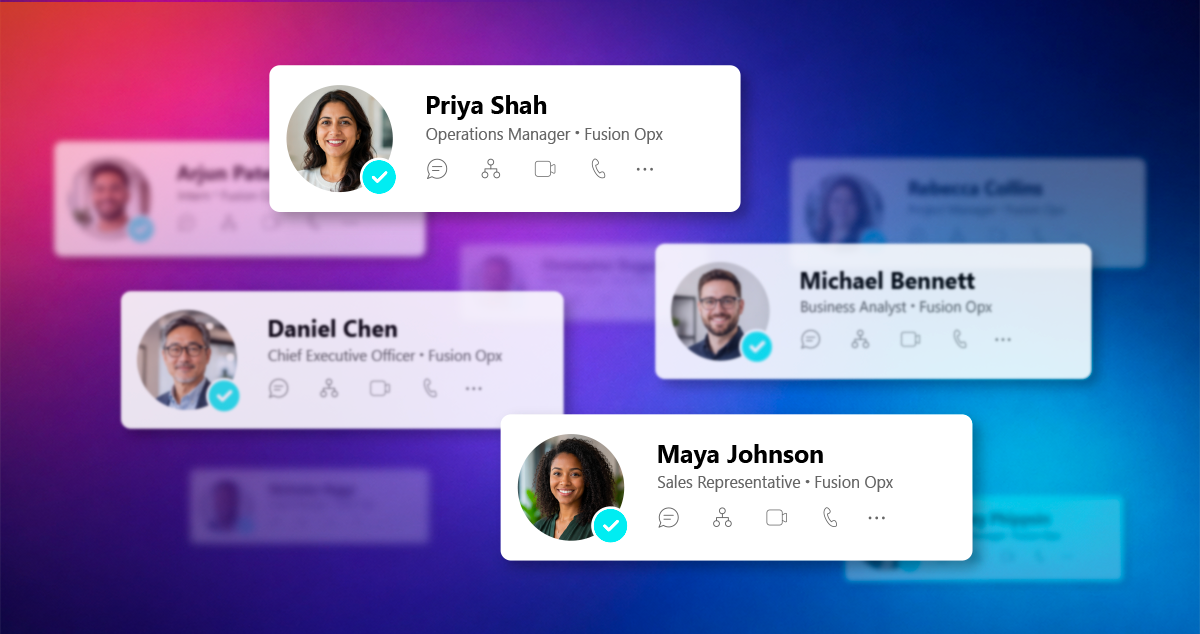
It’s 4:17 on a Friday afternoon.
An employee receives an email that appears to be from the owner: “Can you send me the updated banking information before you leave?”
The name is right. The tone sounds familiar. And with everyone trying to wrap up the week, the easiest thing to do is simply respond.

You’re on the road, your kid wants to play games on your work laptop, and you just want a quiet ride. What could go wrong?
Turns out, a lot.
Holiday travel exposes your business to unique risks—from unsecured hotel WiFi to forgotten Netflix logins on smart TVs. And if you're working with sensitive data? The stakes are even higher.

If there’s one cybersecurity upgrade every business should make, it’s enabling multifactor authentication (MFA).
MFA adds a second step when logging in—like a text code or app prompt—so even if your password is compromised, the hacker hits a dead end.

Smart devices—cameras, doorbells, thermostats—are everywhere. And while they offer convenience and safety, they also come with hidden risks.
Hackers know that many of these devices are installed without changing default passwords or updating firmware.

October is Cybersecurity Awareness Month, and there’s no better time to have an honest look at what’s really putting businesses at risk. Spoiler alert: it’s not always sophisticated hackers—it’s the simple, everyday stuff.
Here are four common habits that quietly leave businesses exposed:
1. Reusing Passwords Across Accounts
One breached login can be used to access dozens of platforms.

Cybersecurity myths aren’t just wrong—they’re risky. Let’s debunk five of the most dangerous ones:
1. “It Won’t Happen To Us”
Wrong. SMBs are often *more* attractive targets because of weaker defenses.
2. “If It Worked Then, It’ll Work Now”
Cybercrime evolves constantly.

When it comes to protecting your business from cyberthreats, the basics still matter. In fact, IBM’s 2023 Cost Of A Data Breach Report revealed that most attacks could’ve been stopped with simple safeguards. That’s where cyber hygiene comes in.
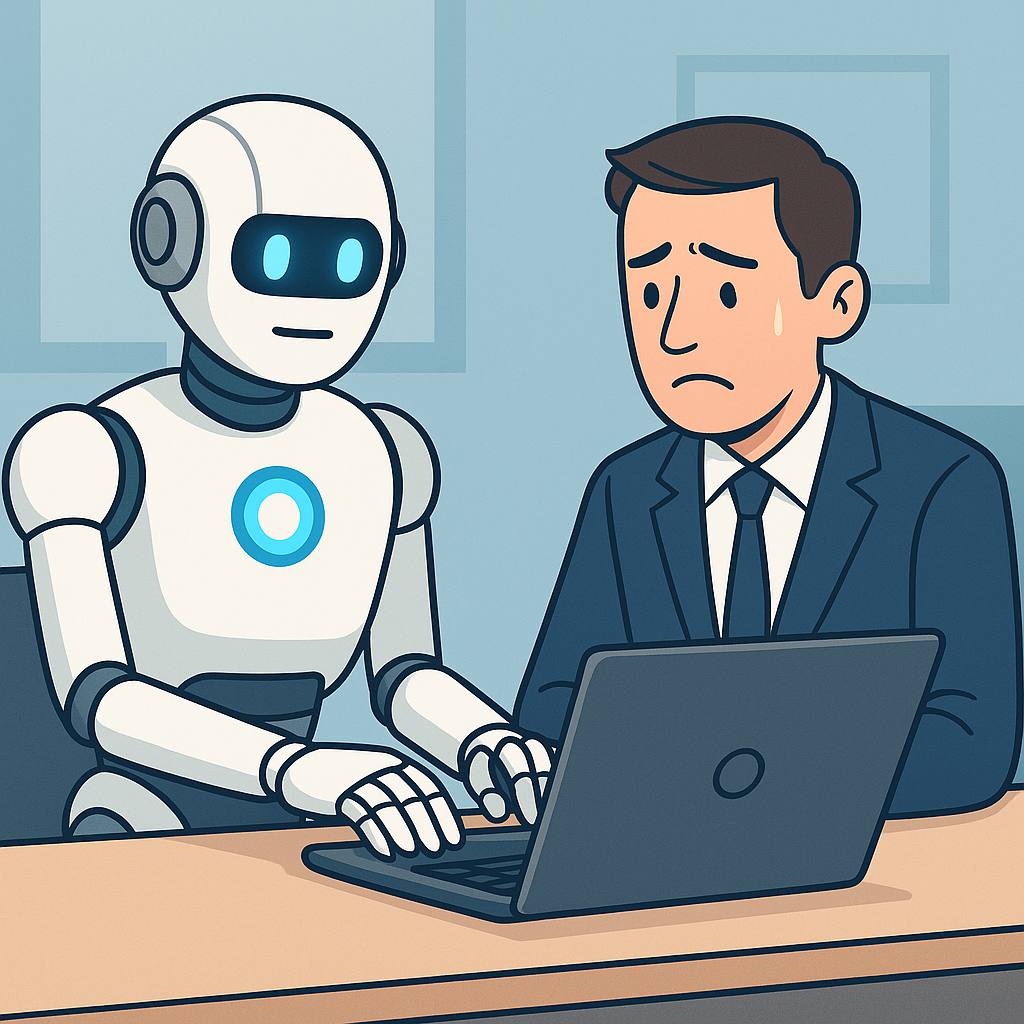
You didn’t mean to train the next generation of cybercriminal tools. But if your team is pasting sensitive client data into public AI models, that’s exactly what’s happening.
In a world of ChatGPT, Claude, Gemini, and other generative AI platforms, even one misplaced case summary could expose more than you realize.